
Welcome to Xi an Jiaotong University School of Materials Science and Engineering
- 中文
- |
-


News & Events
News
-
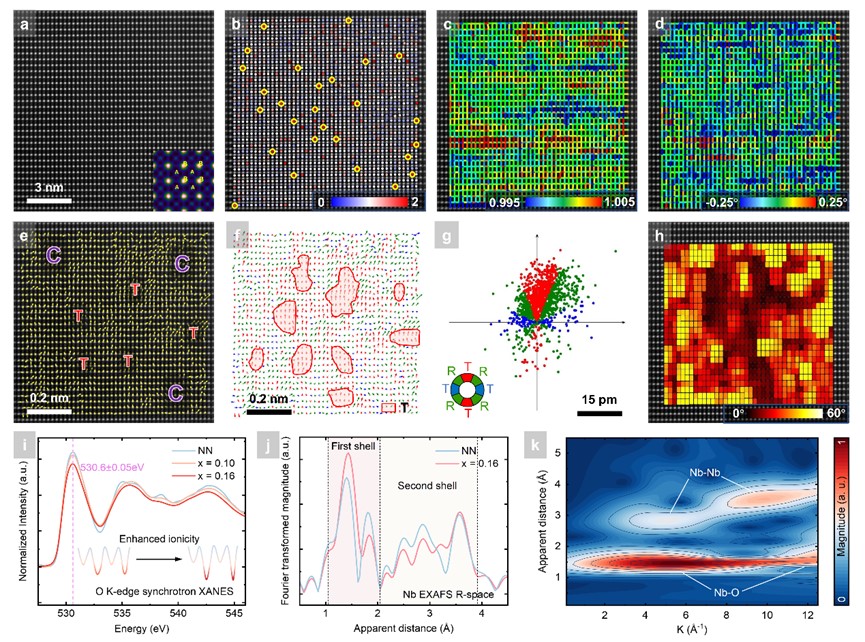 XJTU Materials Science Team Collaborates with PolyU and BIT to Achieve Breakthrough in Ferroelectric Energy Storage
Research BackgroundWith the rapid development of renewable energy, electric vehicles, and portable electronic devices, efficient and fast charge/discharge energy storage devices have become one of the key technological bottlenecks. Dielectric capacitors, with their ultra-fast response speed (~μs) and long cycle life, are ideal for high power density storage systems. However, current high-perfo...
Date 2025-12-18 -
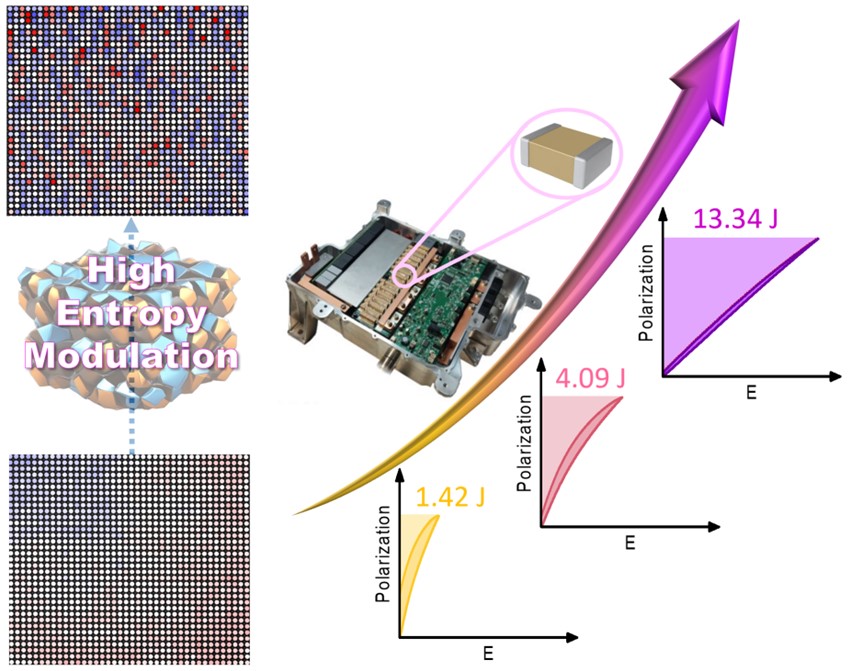 XJTU Team Makes Breakthrough in Capacitive Energy Storage with High-Entropy Quantum Perovskites
With the rapid evolution of the global electric vehicle (EV) industry towards the 800V high-voltage platform, key electronic components in automotive systems face stringent challenges. Dielectric capacitors, as core components for energy conversion, urgently need to achieve breakthroughs in energy storage density, charge/discharge efficiency, and cyclic stability. To address this critical natio...
Date 2025-12-17 -
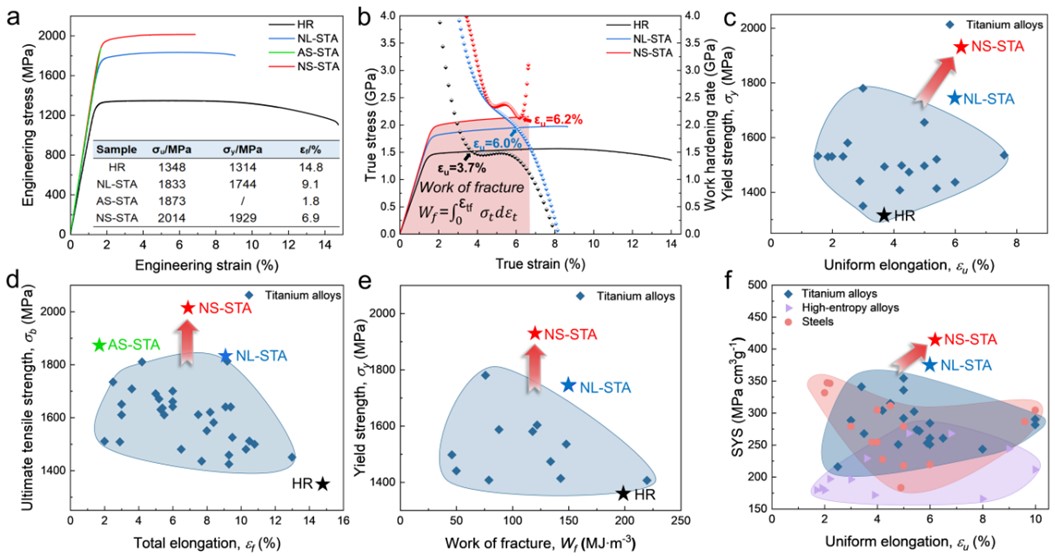 Adv. Sci.: Designing ductile 2-GPa yielding titanium alloys via multifunctional subgrain boundaries and nanoprecipitates
Ultra-high-strength metallic materials are urgently required in aerospace and defense applications, where weight reduction and extreme load-bearing performance are critically important. Developing advanced alloys that simultaneously achieve ultra-high yield strength (σy ≈ 2 GPa) and appreciable uniform elongation (εu > 5%) has therefore emerged as a key research focus. To date, only a limite...
Date 2025-12-08 -
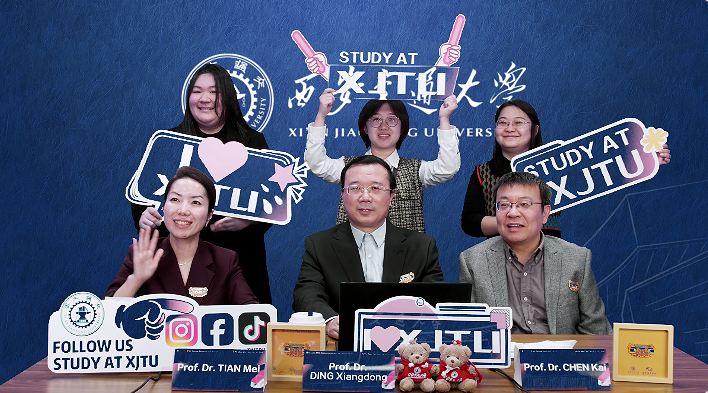 Meeting the Dean: School of Materials Science and Engineering
On Dec. 6th, Professor Xiangdong DING, Dean of the School of Materials Science and Engineering (MSE), presented an innovative talk during the “Meeting the Dean” session series.Professor Ding introduced in detail the latest research achievements of MSE, highlighting the school's expertise in materials science. To provide international students with a more intuitive understanding of the school'...
Date 2025-12-06 -
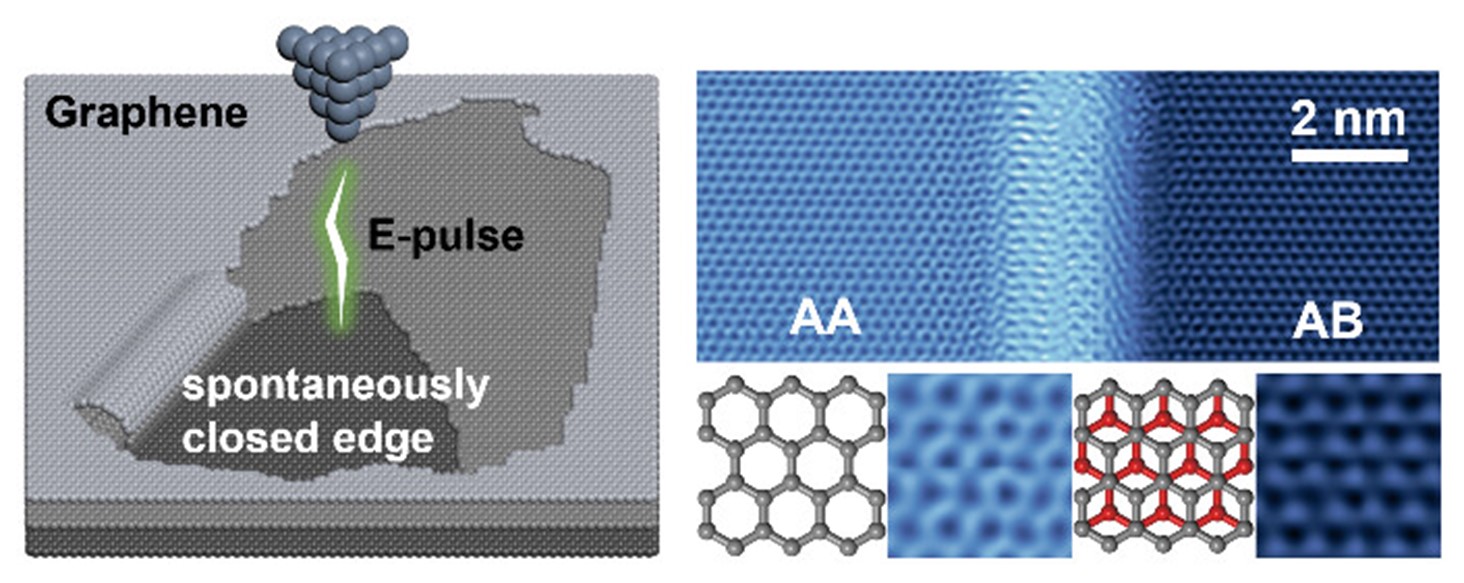 Nano Lett.: Spontaneous Closing of Torn Bilayer Graphene Edges via a Self-Healing Mechanism
Atomic-scale manufacture is a critical technology required for future atomic-scale information devices. Among various techniques, scanning probe microscopy-based tip manipulation plays an essential role in atomic-scale manufacturing, enabling the construction and precise tuning of atomic structures with single-atom accuracy. For materials like graphene and other 2D materials, this technique all...
Date 2025-11-21 -
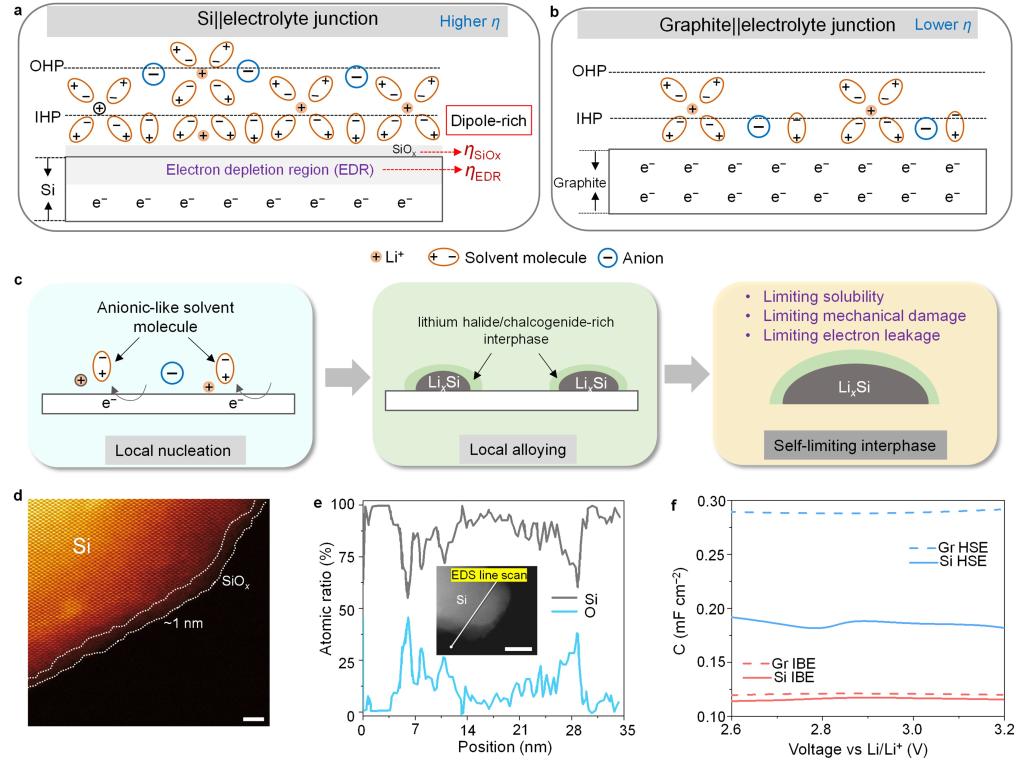 Advanced Materials: 4.5-V-class safe lithium-ion batteries with silicon-majority-graphite anodes enabled by self-limiting interphase
BackgroundThere is a significant demand for high-energy lithium-ion batteries (LIBs) with long cycle life, especially for electric vehicles. To achieve cell-level energy densities surpassing 400 Wh kg⁻¹, the ideal strategy is to pair high-voltage Ni-rich (NMC811) cathodes with silicon-majority-graphite (SmG, >1500 mAh g−1) anodes. Silicon offers a theoretical capacity far exceeding graphite, ...
Date 2025-11-18 -
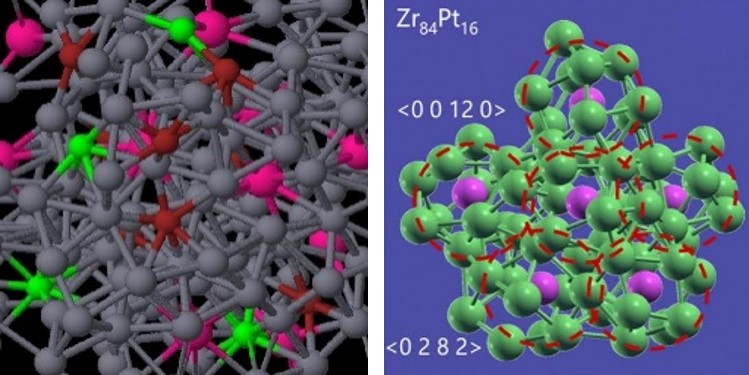 XJTU-CAID Publishes in Advanced Materials: Key Structural Motifs Governing Deformation and Phase Change in Amorphous Alloys
Most engineering alloys are crystalline. When crystallization is bypassed by rapid quenching, the resulting alloy—though macroscopically indistinguishable from conventional metals—lacks long-range crystalline order (Fig. 1, left). A wide range of elements and combinations can form amorphous states, including elemental Ta and Au; binary, ternary, and multicomponent systems such as Ni–B, Cu–Z...
Date 2025-11-17 -
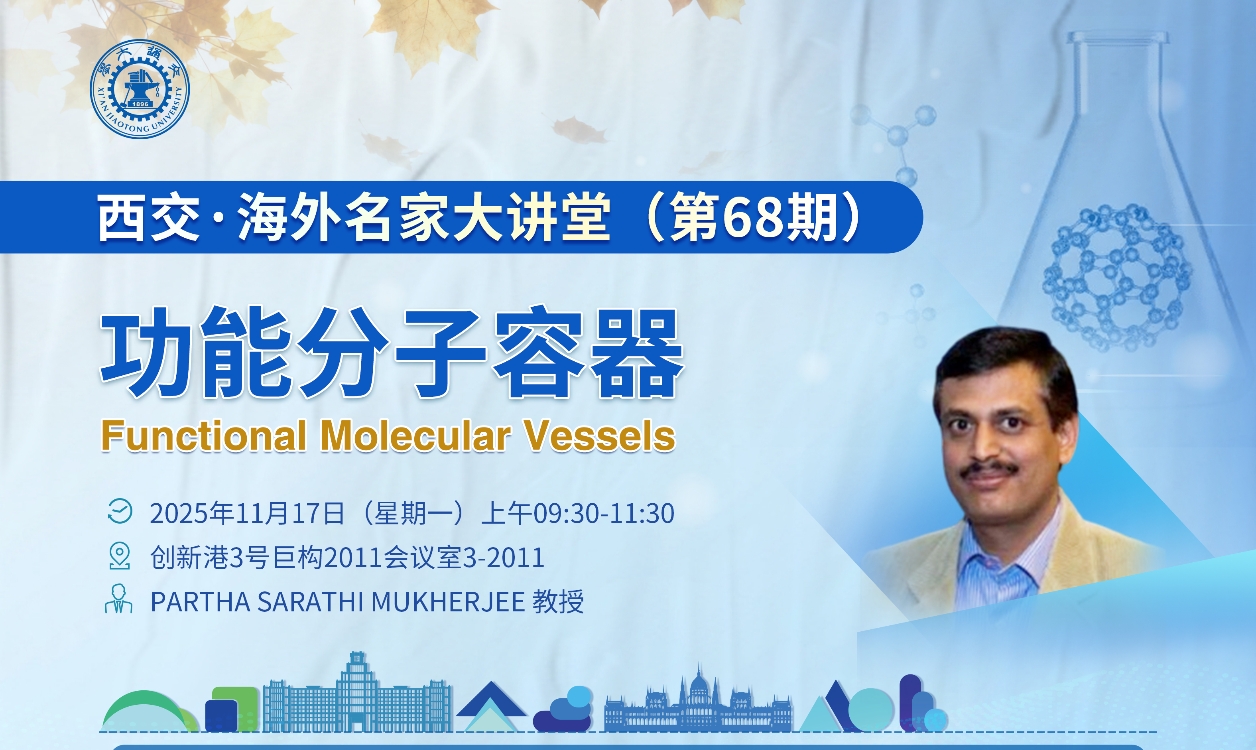 Functional Molecular Vessels 功能分子容器Date 2025-11-14
 -
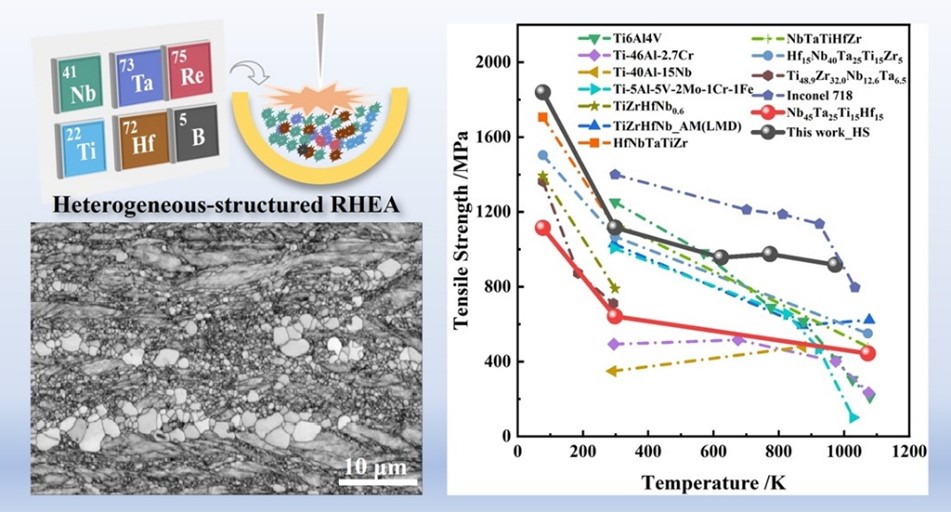 CAID Reports Progress on high-strength RHEAs from 77 K to 973 K
In aerospace, nuclear energy, and advanced manufacturing, structural materials must operate reliably from cryogenic to high temperatures. Conventional alloys face a persistent strength–ductility trade-off: strengthening typically comes at the expense of tensile elongation, and high-temperature strength degrades sharply. Refractory high-entropy alloys (RHEAs)—composed of high-melting elements ...
Date 2025-10-31 -
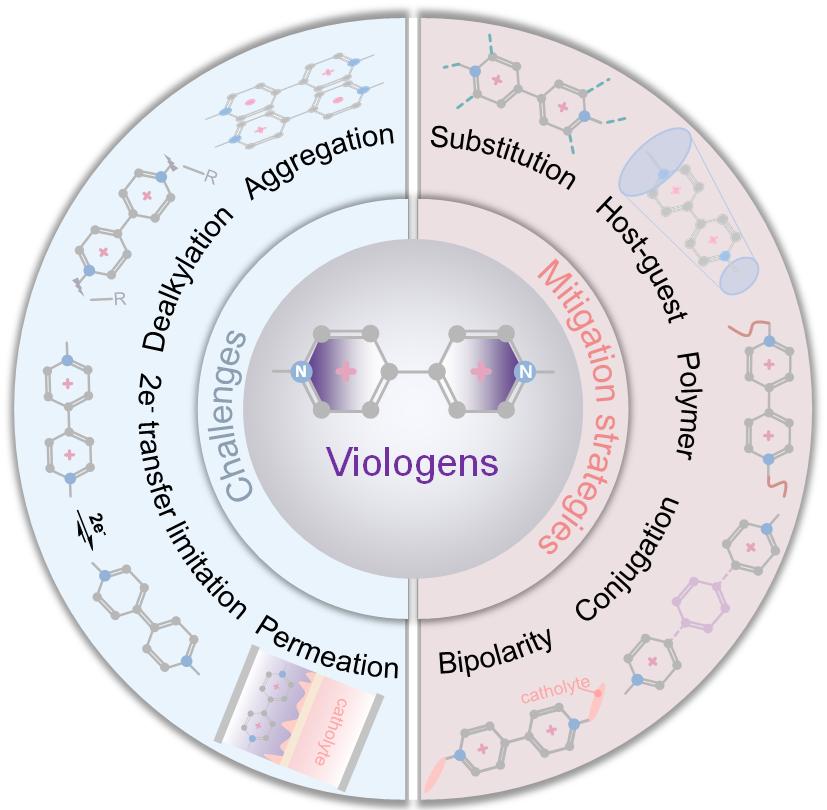 XJTU Team Advances Large-Scale Energy Storage with Aqueous Organic Redox Flow Batteries
Under China’s “dual-carbon” goals, photovoltaic and wind power are becoming central to the energy mix, yet their intermittency and volatility impede large-scale grid integration. Aqueous organic redox flow batteries (AORFBs) are an attractive storage solution because of their low cost, intrinsic safety, and decoupled power/energy design. Among anolytes, viologen derivatives are widely used...
Date 2025-10-22
Copyright © 2009-2011 School of Material Science and Engineering, Xi’an Jiaotong University. All rights reserved