
Welcome to Xi an Jiaotong University School of Materials Science and Engineering
- 中文
- |
-


News & Events
News
-
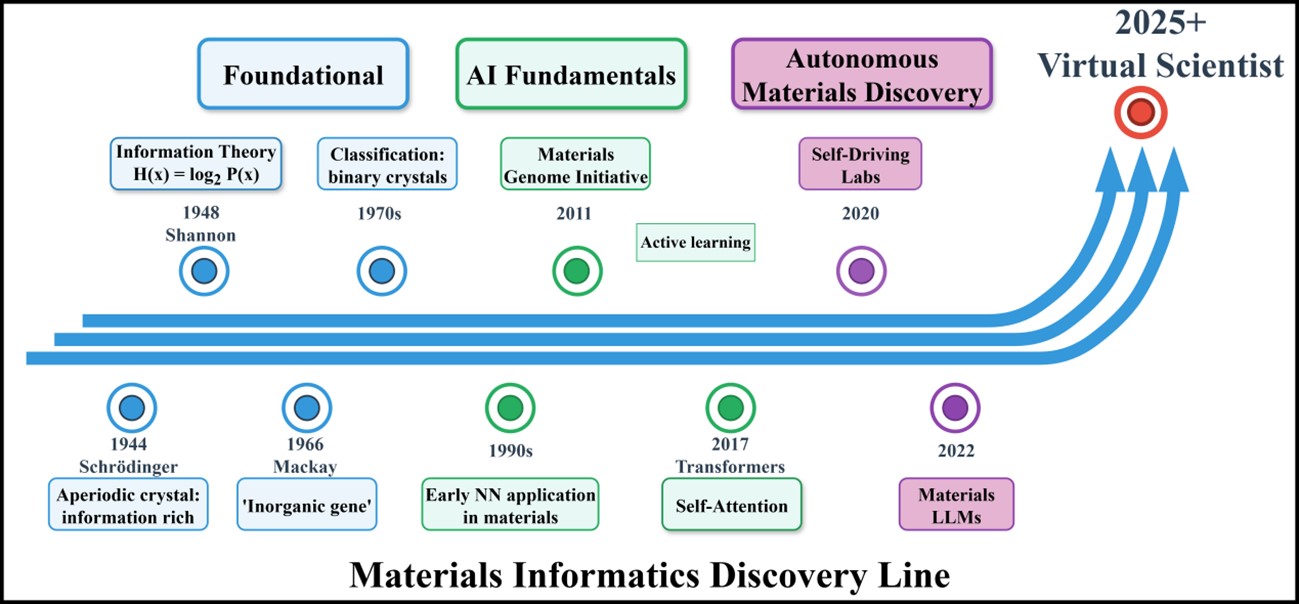 Adv. Mater.: Materials Informatics: Emergence to Autonomous Discovery in the Age of AI
Materials informatics leverages advances in computer science and information technology to enhance the understanding, utilization, selection, and design of materials. The field encompasses a wide range of machine-learning approaches, including (but not limited to) machine-learning interatomic potentials and large language models (LLMs).Recently, a research team from the School of Materials Scie...
Date 2026-01-12 -
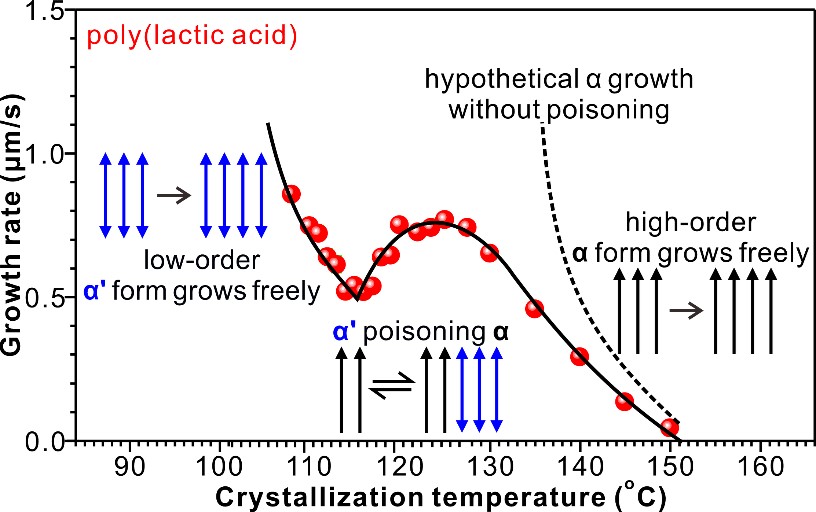 Confused molecules reduce quality of biofriendly plastic
Poly(lactic acid) (PLA) is meant to be the prime biodegradable and biosourced substitute for classic polymers such as polypropylene. But crystallization of its desirable alpha-form is too slow for fast commercial processing, even slowing down instead of accelerating with increasing supercooling. So products end up brittle in the inferior alpha’ form with low crystallinity. The crystallization ...
Date 2026-01-07 -
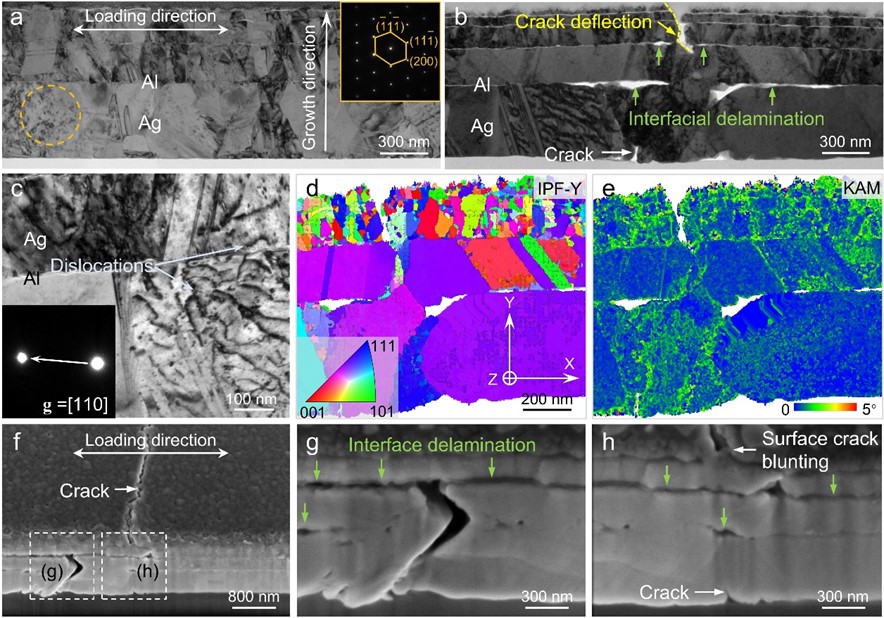 Nat. Electron.: Fatigue-resistant metal-film-based flexible conductors with a coherent gradient nanolayered architecture
Flexible electronics hold great promise for applications such as implantable medical devices and human-machine interfaces. However, their practical reliability is often limited by the fatigue failure of metal thin-film conductors. Under repeated bending or stretching, conventional nanocrystalline metal films are prone to abnormal grain growth and strain localization, which accelerate crack in...
Date 2026-01-02 -
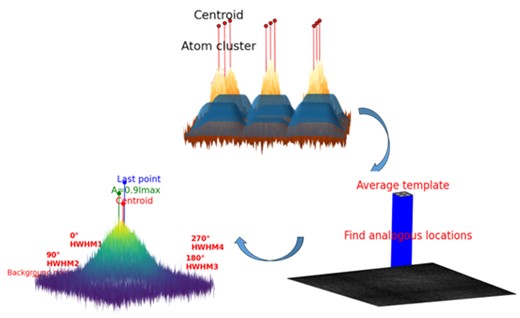 Research Update | Xi’an Jiaotong University Develops “STEMax_PF”, an Aberration-Corrected STEM Tool for Atomic-Scale Quantitative Analysis: Decoding Functional Materials with Picometer-Level Precision
Research BackgroundSince the invention of the electron microscope in the 1930s, humanity’s exploration of the microscopic world has never ceased. With the commercialization of aberration correctors (Aberration Correctors) in the early 21st century, the resolution of Scanning Transmission Electron Microscopes (STEM) surpassed the sub-angstrom limit, enabling direct observation of atomic column ...
Date 2025-12-30 -
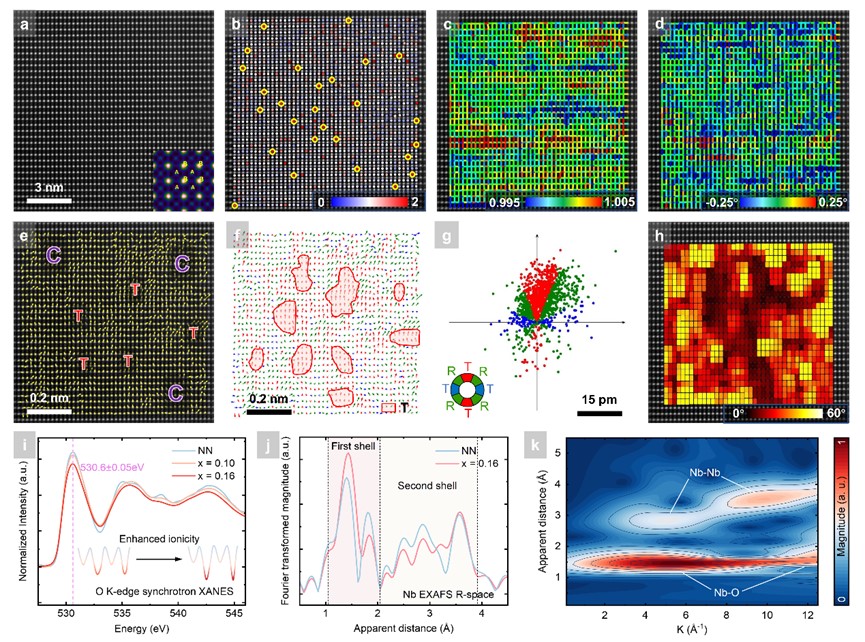 XJTU Materials Science Team Collaborates with PolyU and BIT to Achieve Breakthrough in Ferroelectric Energy Storage
Research BackgroundWith the rapid development of renewable energy, electric vehicles, and portable electronic devices, efficient and fast charge/discharge energy storage devices have become one of the key technological bottlenecks. Dielectric capacitors, with their ultra-fast response speed (~μs) and long cycle life, are ideal for high power density storage systems. However, current high-perfo...
Date 2025-12-18 -
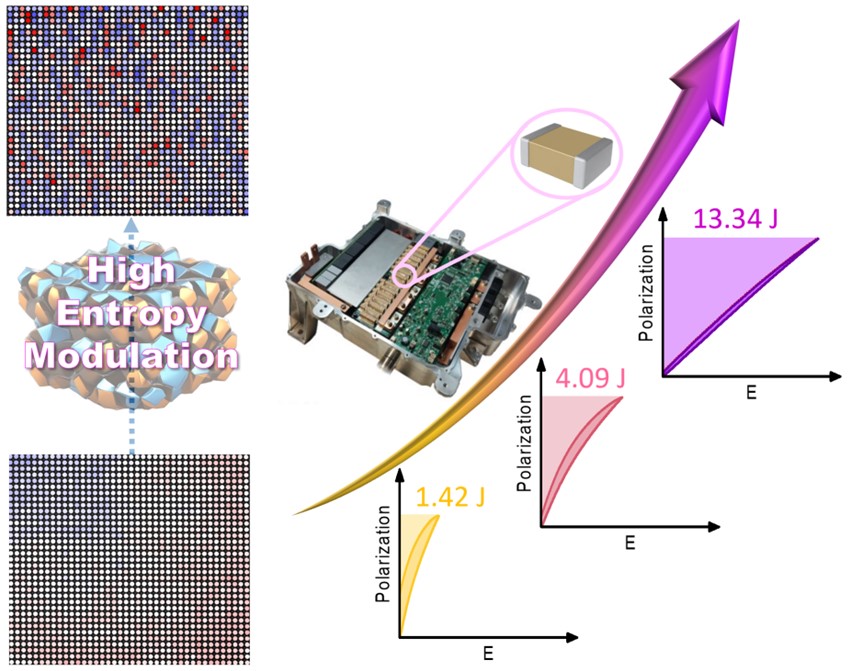 XJTU Team Makes Breakthrough in Capacitive Energy Storage with High-Entropy Quantum Perovskites
With the rapid evolution of the global electric vehicle (EV) industry towards the 800V high-voltage platform, key electronic components in automotive systems face stringent challenges. Dielectric capacitors, as core components for energy conversion, urgently need to achieve breakthroughs in energy storage density, charge/discharge efficiency, and cyclic stability. To address this critical natio...
Date 2025-12-17 -
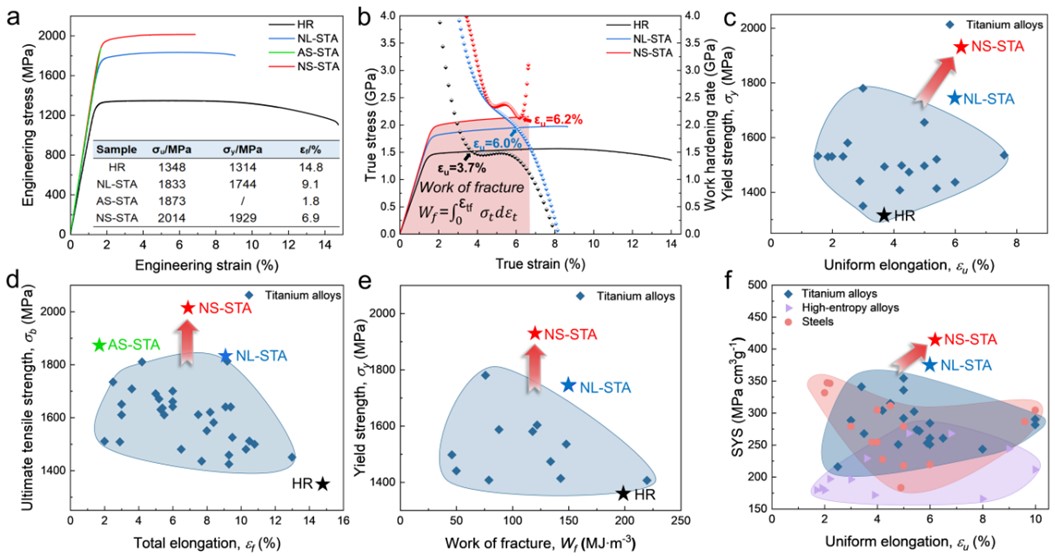 Adv. Sci.: Designing ductile 2-GPa yielding titanium alloys via multifunctional subgrain boundaries and nanoprecipitates
Ultra-high-strength metallic materials are urgently required in aerospace and defense applications, where weight reduction and extreme load-bearing performance are critically important. Developing advanced alloys that simultaneously achieve ultra-high yield strength (σy ≈ 2 GPa) and appreciable uniform elongation (εu > 5%) has therefore emerged as a key research focus. To date, only a limite...
Date 2025-12-08 -
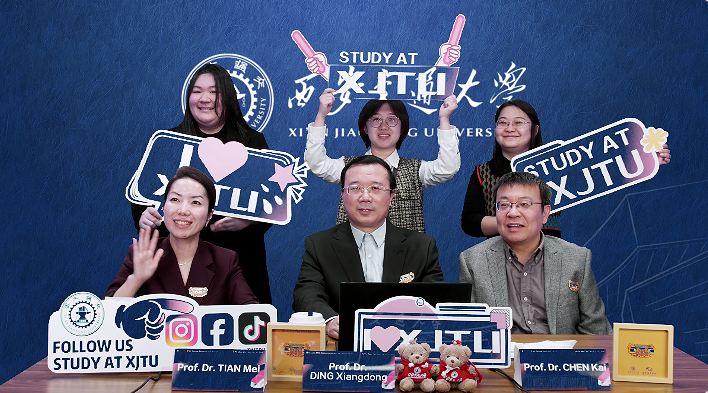 Meeting the Dean: School of Materials Science and Engineering
On Dec. 6th, Professor Xiangdong DING, Dean of the School of Materials Science and Engineering (MSE), presented an innovative talk during the “Meeting the Dean” session series.Professor Ding introduced in detail the latest research achievements of MSE, highlighting the school's expertise in materials science. To provide international students with a more intuitive understanding of the school'...
Date 2025-12-06 -
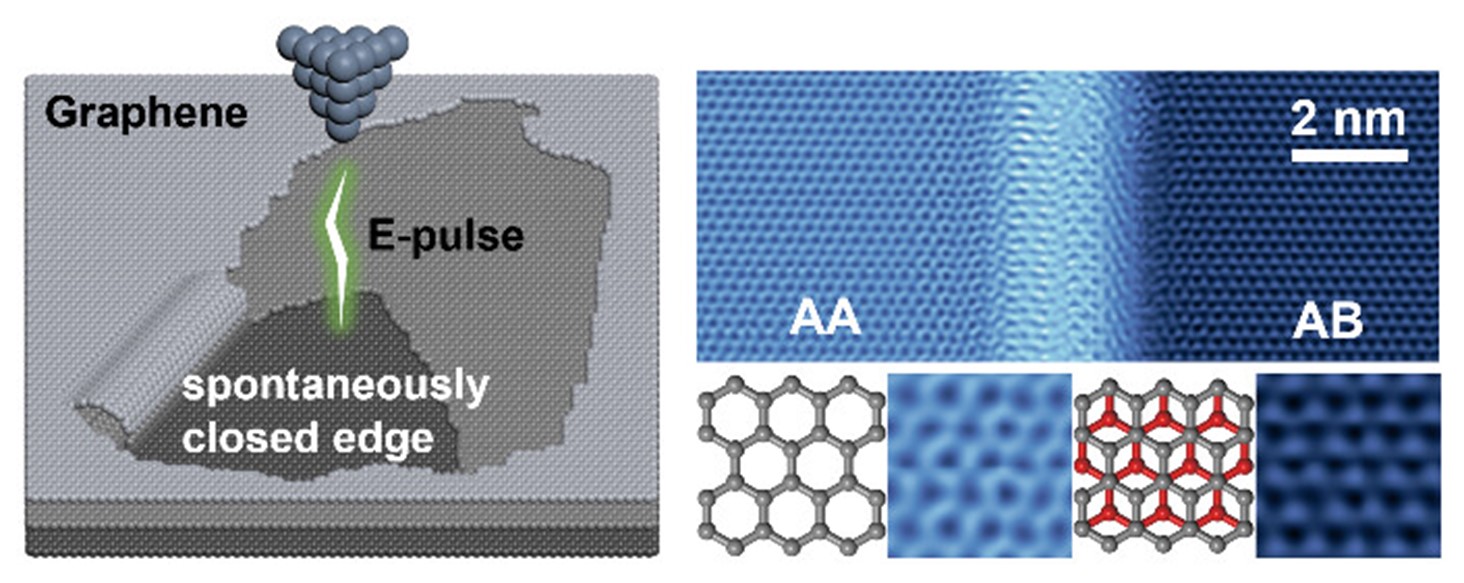 Nano Lett.: Spontaneous Closing of Torn Bilayer Graphene Edges via a Self-Healing Mechanism
Atomic-scale manufacture is a critical technology required for future atomic-scale information devices. Among various techniques, scanning probe microscopy-based tip manipulation plays an essential role in atomic-scale manufacturing, enabling the construction and precise tuning of atomic structures with single-atom accuracy. For materials like graphene and other 2D materials, this technique all...
Date 2025-11-21 -
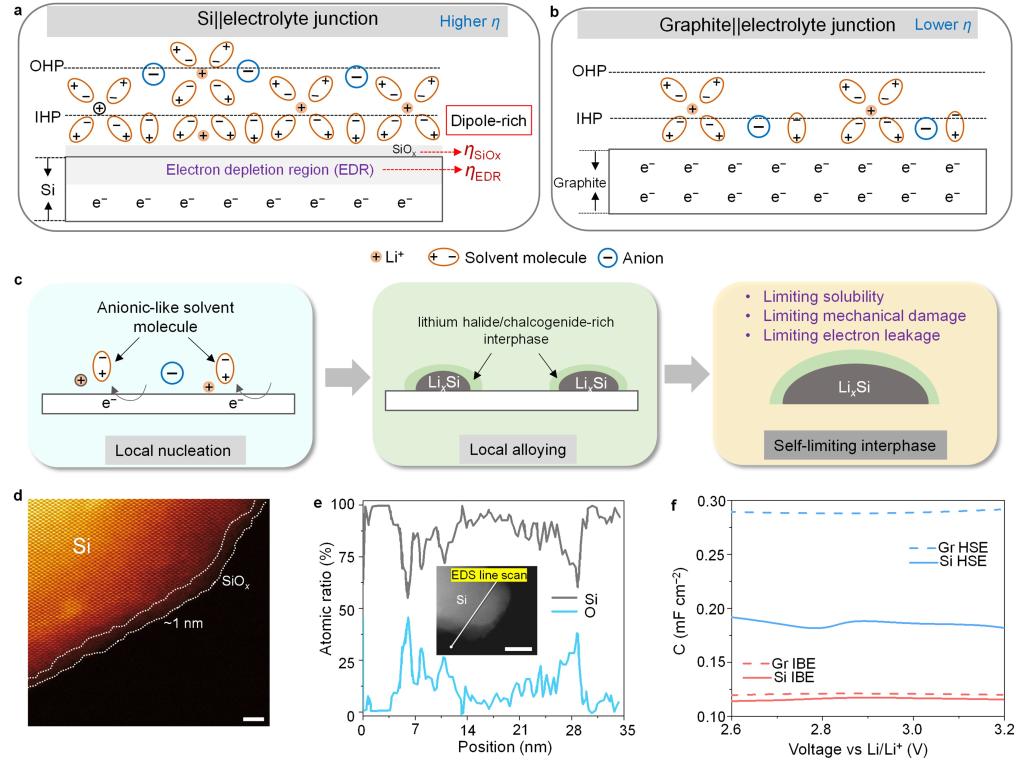 Advanced Materials: 4.5-V-class safe lithium-ion batteries with silicon-majority-graphite anodes enabled by self-limiting interphase
BackgroundThere is a significant demand for high-energy lithium-ion batteries (LIBs) with long cycle life, especially for electric vehicles. To achieve cell-level energy densities surpassing 400 Wh kg⁻¹, the ideal strategy is to pair high-voltage Ni-rich (NMC811) cathodes with silicon-majority-graphite (SmG, >1500 mAh g−1) anodes. Silicon offers a theoretical capacity far exceeding graphite, ...
Date 2025-11-18
Copyright © 2009-2011 School of Material Science and Engineering, Xi’an Jiaotong University. All rights reserved